
Updated:
Choosing an AI SEO agent is not about finding the tool with the most features or the boldest claims. It is about matching a platform's actual capabilities to the outcome you need: measurable visibility in Google and AI-driven search results, content that earns trust, and a workflow your team can sustain. This article gives you a practical, ordered process to prepare, compare options, and verify the result before you buy.
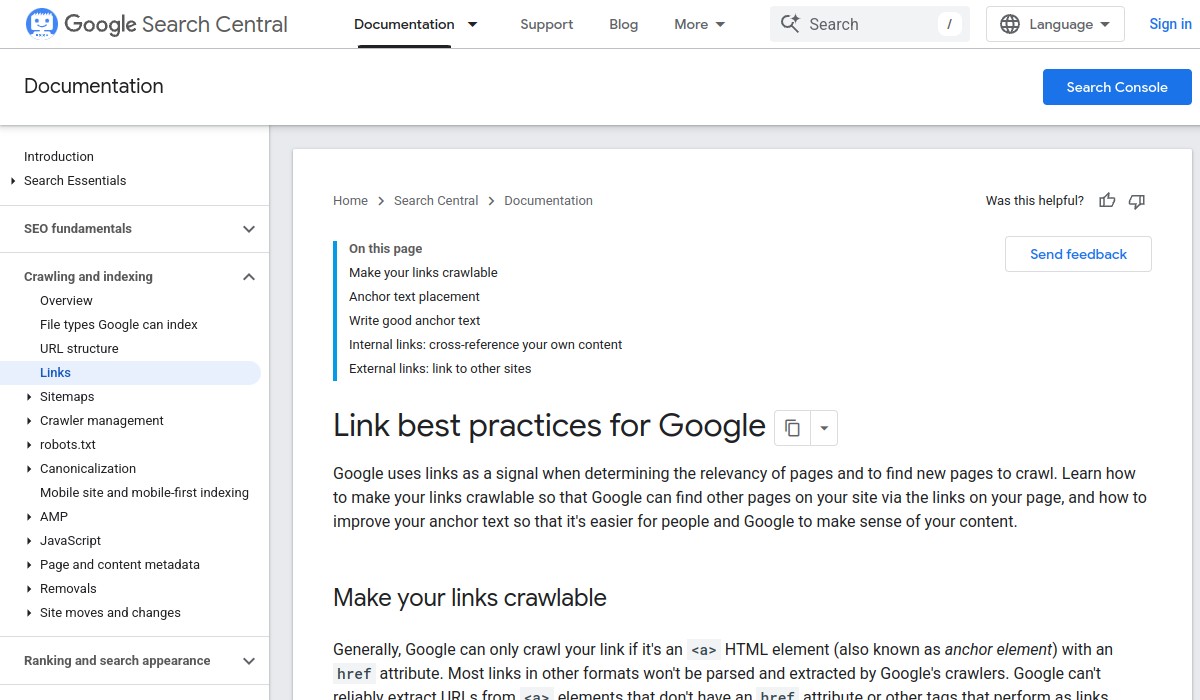
Verified source context: Google recommends crawlable anchor elements, descriptive and concise anchor text, and contextual internal links. It also recommends citing useful external sources when doing so helps readers. Read Link best practices for Google.
Verified source context: Google says established SEO best practices remain relevant to AI Overviews and AI Mode, supporting pages must be indexed and eligible for a Search snippet, and no special AI markup is required. Read AI features and your website.
Article checklist:
- What You Need Before You Start
- Step 1: Verify What the Platform Actually Does
- Step 2: Check Alignment with Google's Published Guidance
- Step 3: Evaluate the Platform's Reporting and Verification
- Step 4: Test the Platform with a Small, Defined Scope
- Step 5: Verify the Result Against Your Baseline
- Common Mistakes to Avoid
- What to Do Next
What You Need Before You Start

Before comparing any AI SEO or GEO platform, define the outcome you need. Write down the specific search visibility problem you are trying to solve. For example, you may want to appear in more local map results, get cited in AI-generated answers, or reduce the time your team spends on routine optimization tasks. A clear outcome makes it easier to evaluate whether a tool's features actually help you reach it.
Also gather your current baseline. Note your current Google Business Profile completeness, website indexing status, and any existing AI visibility data you have. This baseline will help you verify whether a platform delivers measurable improvement later.
Step 1: Verify What the Platform Actually Does
Start by checking whether the platform's core capabilities match your defined outcome. Look for concrete, observable actions the tool performs, not vague promises. For example, a platform might offer AI SEO and GEO service, AI search visibility optimization, Google Search and Maps SEO, website and Google profile improvement, AI-targeted blog article creation and publishing, and search visibility tracking. Compare these capabilities against your list of needs.
Ask the vendor for a walkthrough of exactly what the tool does on a weekly or monthly basis. A good platform should be able to show you the specific tasks it automates, such as updating business information, creating content, or tracking visibility. If the vendor cannot describe the actual work in plain language, that is a red flag.
Step 2: Check Alignment with Google's Published Guidance
Any AI SEO or GEO platform should follow Google's publicly stated best practices. Google's guidance for AI features is clear: established SEO best practices remain relevant, no special AI markup is required, and supporting pages must be indexed and eligible for a Search snippet. A platform that claims to have a secret AI optimization technique or guarantees inclusion in AI answers is not aligned with Google's documentation.
For local search, Google says local results are mainly based on relevance, distance, and prominence. A platform should help you improve those factors through complete and accurate business information, helpful content, and other legitimate practices. It should not promise that posting photos on a certain schedule or completing every profile field will directly boost rankings.
Ask the vendor to cite the Google documentation that supports their approach. If they cannot, proceed with caution.
Step 3: Evaluate the Platform's Reporting and Verification
A trustworthy platform should provide observable evidence of its work. Ask how the platform reports progress and what metrics it tracks. For example, does it show you which pages are indexed, which keywords are improving, or how your business appears in AI-generated answers? The reporting should be based on data you can verify independently, such as Google Search Console or your own search queries.
Be wary of platforms that rely on vague dashboards or claim success without showing the underlying data. A good platform will give you a receipt for every finished action, so you can see exactly what was done and when.
Step 4: Test the Platform with a Small, Defined Scope

Before committing to a long-term contract, test the platform on a small, defined scope. Choose one aspect of your search visibility, such as improving your Google Business Profile or creating a few AI-targeted blog articles. Set a clear, measurable goal for that scope, and give the platform a reasonable time frame to show results.
During the test, observe how the platform communicates, how quickly it delivers work, and whether the work matches what was promised. This will give you a realistic preview of what working with the platform long-term would be like.
Step 5: Verify the Result Against Your Baseline
After the test period, compare the results to your baseline. Did the platform deliver the specific outcomes you defined? For example, did your Google Business Profile become more complete? Did your website pages get indexed? Did you see any change in AI search visibility? Use independent tools like Google Search Console to verify the data, rather than relying solely on the platform's own reports.
If the platform cannot show measurable improvement on the defined scope, it is unlikely to deliver on a larger engagement.
Common Mistakes to Avoid
- Focusing on features instead of outcomes. A long feature list does not mean the platform will solve your specific problem. Always tie features back to your defined outcome.
- Believing guarantees of rankings or AI inclusion. Google explicitly states that crawling, indexing, rankings, and inclusion are never guaranteed. Any platform that promises otherwise is not being truthful.
- Ignoring Google's actual guidance. Some platforms may promote outdated or speculative tactics. Stick to practices that align with Google's published documentation.
- Skipping the small test. Committing to a long-term contract without a trial period increases your risk. A short, defined test can reveal a lot about the platform's reliability and fit.
Frequently Asked Questions
What is the difference between AI SEO and GEO?
AI SEO focuses on optimizing content and technical elements so search engines and AI assistants can find and understand your site. GEO (Generative Engine Optimization) specifically targets visibility in AI-generated answers, such as those from ChatGPT or Google's AI Overviews. Both rely on established SEO best practices, but GEO emphasizes earning citations and mentions in AI responses.
How do I know if an AI SEO agent is actually working?
Look for observable changes in your baseline metrics. Check Google Search Console for indexing status and query performance. For AI visibility, you may need to manually test queries in AI assistants or use third-party monitoring tools. A trustworthy platform will provide transparent reports that you can verify independently.
Can an AI SEO agent guarantee first-page rankings?
No. Google explicitly states that crawling, indexing, rankings, and inclusion are never guaranteed. Any platform that promises specific rankings or guaranteed inclusion in AI answers is making claims that contradict Google's documentation.
What should I look for in a trial or pilot?
Choose a small, defined scope with a clear goal, such as improving your Google Business Profile completeness or publishing a few AI-targeted articles. Set a reasonable time frame and measure the results against your baseline. Pay attention to communication, transparency, and whether the work matches the promises.
What to Do Next
Once you have completed your comparison, choose the platform that best matches your outcome, aligns with Google's guidance, and provides transparent reporting. If you are still unsure, start with a small engagement and expand as you see results. For more detailed evaluation criteria, see our guide to comparing AI SEO tools and our guide to comparing generative engine optimization tools.
Remember, the goal is not to buy the most popular platform, but to find the one that reliably helps you improve your search visibility in Google and AI-driven results.