
Updated:
Choosing rank tracking software is not about finding the tool with the most features or the boldest claims. It is about matching a tool's actual capabilities to the outcomes you need: accurate keyword positions, useful competitor data, and reports you can act on. This list compares seven tools using the same evidence fields so you can make a confident decision without hype.
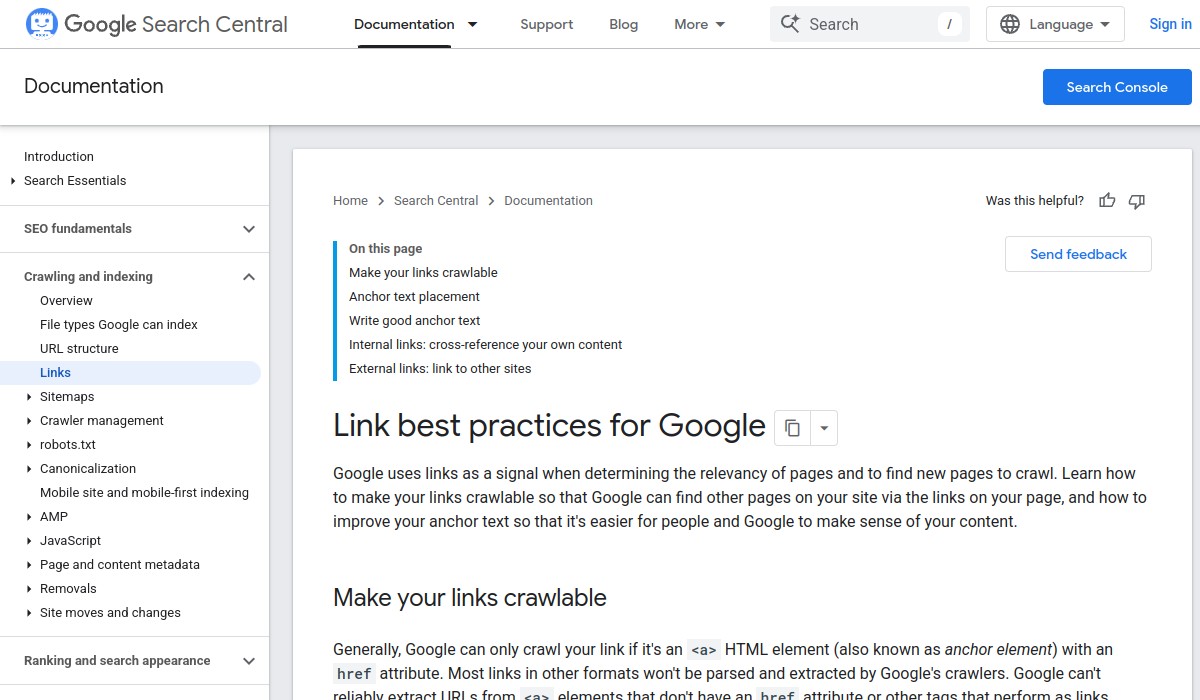
Verified source context: Google recommends crawlable anchor elements, descriptive and concise anchor text, and contextual internal links. It also recommends citing useful external sources when doing so helps readers. Read Link best practices for Google.
Verified source context: Google recommends helping it discover images and optimizing the pages on which those images appear. Read Google image SEO best practices.
Article checklist:
- Key Takeaways
- How We Selected These Tools
- 1. SE Ranking
- 2. Wincher
- 3. Nightwatch
- 4. SERPWatcher by Mangools
- 5. KeySearch
- 6. Rank Tracker by SEO PowerSuite
- 7. AccuRanker
- Comparison Table
Key Takeaways

- Rank tracking tools monitor keyword positions in search results, but no tool can guarantee rankings or performance.
- Google's official guidance says to evaluate third-party SEO tools against its own documentation and warns that tools cannot guarantee results.
- For local businesses, rank tracking is only one part of visibility; Google's local results depend on relevance, distance, and prominence.
- Choose a tool based on your specific needs: number of keywords, locations, competitor tracking, and reporting requirements.
How We Selected These Tools
We included tools that are widely referenced in current SEO discussions, offer rank tracking as a core feature, and have publicly available information about their capabilities. We did not test each tool hands-on, and we did not rank them by performance. Instead, we present each tool with the same fields: what it is, who it fits, the decision-relevant reason it belongs, one limitation, and the approved source or verified fact supporting any objective claim. Placement is not paid and does not imply objective ranking.
1. SE Ranking
What it is: An all-in-one SEO platform that includes rank tracking, competitor analysis, and reporting.
Who it fits: Agencies and in-house teams that need a broad feature set beyond rank tracking.
Why it belongs: SE Ranking is frequently mentioned in current SEO tool roundups and offers rank tracking as part of a larger suite. Its ability to track rankings across multiple search engines and locations is a common reason for inclusion.
Limitation: The breadth of features may be more than a small business needs if you only want simple rank tracking.
Evidence: According to Google's guidance on third-party SEO tools, no tool can guarantee performance, so treat any rank tracking data as one input among many.
2. Wincher
What it is: A rank tracking tool focused on simplicity and affordability.
Who it fits: Small businesses or solo SEOs who want straightforward rank tracking without extra features.
Why it belongs: Wincher is often cited for its clean interface and focus on core rank tracking. It is built for people who just want the facts, with zero distractions.
Limitation: It may lack advanced competitor analysis or content optimization features found in larger suites.
Evidence: Google recommends evaluating third-party SEO advice against official guidance, so a simple tool that shows raw data can be useful if you know how to interpret it.
3. Nightwatch
What it is: A rank tracking tool with advanced segmentation and reporting capabilities.
Who it fits: SEO professionals and agencies managing many keywords and locations.
Why it belongs: Nightwatch is often included in lists of top rank trackers for its granular data and customizable dashboards. It supports tracking across multiple search engines and devices.
Limitation: The learning curve can be steep for beginners, and pricing may be higher for small users.
Evidence: Google's link best practices emphasize crawlable links and descriptive anchor text, which are relevant when you use rank tracking data to inform internal linking decisions.
4. SERPWatcher by Mangools

What it is: A user-friendly rank tracker that is part of the Mangools SEO toolkit.
Who it fits: Beginners and small teams who want an intuitive interface and clear reports.
Why it belongs: SERPWatcher is praised for its simplicity and visual reporting. It tracks daily ranking changes and provides a performance index to gauge overall visibility.
Limitation: It may not offer the depth of competitor analysis or white-label reporting that agencies require.
Evidence: Google's guidance on third-party tools reminds us that no tool can guarantee performance, so use SERPWatcher's data to spot trends, not to promise outcomes.
5. KeySearch
What it is: An affordable SEO tool that includes rank tracking, keyword research, and competitor analysis.
Who it fits: Budget-conscious users who need a basic but functional rank tracker.
Why it belongs: KeySearch is often recommended for its low cost and ease of use. It provides rank tracking for multiple locations and devices.
Limitation: The feature set is not as extensive as premium tools, and data accuracy may vary.
Evidence: Google's image SEO best practices highlight the importance of optimizing pages where images appear, which is a reminder that rank tracking should be paired with on-page improvements.
6. Rank Tracker by SEO PowerSuite
What it is: A desktop-based rank tracking tool that is part of the SEO PowerSuite bundle.
Who it fits: Users who prefer desktop software and need unlimited keyword tracking without recurring fees.
Why it belongs: Rank Tracker is known for its flexibility and ability to track rankings on multiple search engines, including local and mobile results. It offers a free version with limited features.
Limitation: Desktop software requires manual updates and may not be as convenient as cloud-based tools for team collaboration.
Evidence: Google's local ranking documentation states that local results are based on relevance, distance, and prominence, so tracking local rankings requires understanding these factors.
7. AccuRanker
What it is: A cloud-based rank tracker focused on speed and accuracy.
Who it fits: Agencies and enterprises that need real-time data and API access.
Why it belongs: AccuRanker is often cited for its fast updates and reliable data. It supports tracking on Google, Bing, and YouTube, and offers white-label reporting.
Limitation: Pricing is higher than many competitors, which may not suit small businesses.
Evidence: Google's guidance on third-party SEO tools warns that tools cannot guarantee performance, so even fast data should be used as a diagnostic, not a promise.
Comparison Table
| Tool | Best Fit | Key Capability | Limitation |
|---|---|---|---|
| SE Ranking | Agencies, in-house teams | All-in-one SEO suite | May be overkill for simple needs |
| Wincher | Small businesses, solo SEOs | Simple, affordable rank tracking | Lacks advanced features |
| Nightwatch | SEO professionals, agencies | Granular data, segmentation | Steep learning curve |
| SERPWatcher | Beginners, small teams | User-friendly interface | Limited competitor analysis |
| KeySearch | Budget-conscious users | Low-cost rank tracking | Basic feature set |
| Rank Tracker | Desktop users, unlimited keywords | Flexible, no recurring fees | Manual updates, less collaboration |
| AccuRanker | Agencies, enterprises | Speed, accuracy, API | Higher pricing |
How to Choose the Right Rank Tracking Software
Start by defining your must-have features. Do you need local rank tracking for a physical business? If so, Google's local ranking factors—relevance, distance, and prominence—mean you should track rankings in specific geographic areas, not just nationally. Do you need competitor tracking? Some tools include it, while others focus only on your own keywords. Consider your budget and whether you prefer a subscription or a one-time purchase. Finally, test a few tools with a small set of keywords before committing. Google's guidance on third-party SEO tools reminds us that no tool can guarantee performance, so choose one that gives you clear, actionable data without overpromising.
Frequently Asked Questions
What is the best rank tracker software for SEO?
The best rank tracker depends on your specific needs. For simplicity and affordability, Wincher or KeySearch may work. For advanced features, SE Ranking or Nightwatch are strong options. No single tool is objectively best for everyone.
How do I track SEO rankings?
Use a rank tracking tool to monitor your keyword positions over time. Enter your target keywords and the locations you care about, then review the data regularly. Remember that rankings fluctuate, and Google's guidance says no tool can guarantee performance.
Does Google still use RankBrain?
Google has not publicly confirmed the current status of RankBrain. Its guidance on third-party SEO tools emphasizes evaluating advice against official documentation, so avoid relying on unverified claims about specific algorithms.
For more on evaluating SEO tools, see our guide to comparing AI SEO tools and our decision guide for agency SEO software.