
Updated:
Automated SEO software promises to handle the repetitive work of search optimization, but the term covers a wide range of tools—from simple rank trackers to full AI-driven content systems. The real question isn't whether automation works; it's whether a specific tool automates the right tasks for your business and follows Google's actual guidance. This shortlist compares five options using transparent criteria, evidence, and limitations so you can make a confident choice.
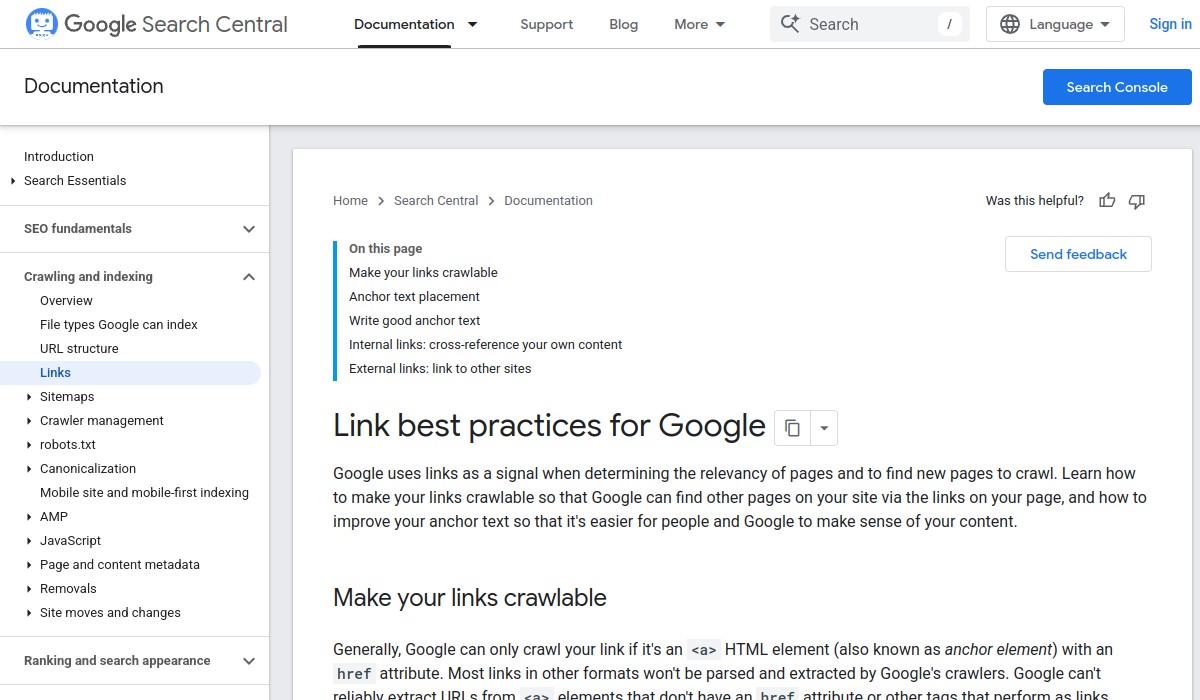
Verified source context: Google recommends crawlable anchor elements, descriptive and concise anchor text, and contextual internal links. It also recommends citing useful external sources when doing so helps readers. Read Link best practices for Google.
Verified source context: Google recommends helping it discover images and optimizing the pages on which those images appear. Read Google image SEO best practices.
Article checklist:
- Key Takeaways
- How We Selected These Tools
- Semrush
- Ahrefs
- Surfer SEO
- Frase
- Vigilnode
- Comparison Table
- How to Choose the Right Automated SEO Software
Key Takeaways

- Automated SEO software can save time on repetitive tasks like keyword research, content optimization, and technical audits.
- No tool can guarantee rankings or AI visibility. Google explicitly warns that third-party tools cannot guarantee performance.
- Choose a tool that matches your primary need: content creation, technical SEO, local visibility, or all-in-one management.
- Evaluate each tool against Google's published guidance, not vendor claims.
How We Selected These Tools
We included tools that meet these criteria:
- Automation focus: The tool must automate at least one core SEO task (keyword research, content optimization, technical audits, or reporting).
- Evidence of use: The tool must be mentioned in credible industry discussions or have documented capabilities.
- Transparency: The tool's limitations must be identifiable from available information.
- Relevance to local businesses: The tool should offer features useful for local search visibility or general SEO applicable to local businesses.
We did not rank these tools by performance because no independent comparative data was supplied. Instead, we describe each tool's best fit and limitations so you can decide based on your needs.
1. Semrush
What it is: A comprehensive SEO platform with tools for keyword research, site audits, rank tracking, and content optimization.
Who it fits: Businesses and agencies that need an all-in-one SEO suite and are comfortable with a steeper learning curve.
Why it belongs: Semrush is widely referenced in SEO discussions and offers automation for many repetitive tasks, such as scheduled audits and position tracking.
Limitation: Its breadth can be overwhelming for beginners, and pricing may be high for small local businesses.
Buying note: Verify that the specific features you need (e.g., local SEO tools) are included in your plan tier.
2. Ahrefs
What it is: A popular SEO toolset known for backlink analysis, keyword research, and site auditing.
Who it fits: Businesses focused on link building and competitive analysis.
Why it belongs: Ahrefs is frequently cited in SEO tool roundups and offers automated crawling and monitoring features.
Limitation: Its local SEO features are less prominent than some competitors, and it may be overkill for businesses only needing basic on-page optimization.
Buying note: Check if the tool's data coverage matches your target market, especially for local search terms.
3. Surfer SEO

What it is: A content optimization tool that analyzes top-ranking pages and provides recommendations for on-page elements.
Who it fits: Content creators and businesses that want to streamline on-page SEO for blog posts and landing pages.
Why it belongs: Surfer SEO automates the comparison of your content against competitors, saving manual analysis time.
Limitation: It focuses on content optimization and does not cover technical SEO or local listings management.
Buying note: Use it alongside other tools if you need comprehensive SEO coverage.
4. Frase
What it is: An AI-powered content research and writing assistant that helps create SEO-optimized briefs and drafts.
Who it fits: Teams that produce a high volume of content and want to automate research and initial drafting.
Why it belongs: Frase automates the gathering of search intent data and competitor outlines, which can speed up content production.
Limitation: The quality of AI-generated content still requires human review, and it does not handle technical SEO or local listings.
Buying note: Ensure your team has the capacity to edit and fact-check AI drafts before publishing.
5. Vigilnode
What it is: An AI SEO and GEO service for local businesses that combines Google Search and Maps SEO with AI search visibility optimization.
Who it fits: Local businesses that want a managed service rather than a DIY tool, especially those targeting visibility in both Google and AI-driven search results.
Why it belongs: Vigilnode offers a distinct approach by focusing on local search and AI answer visibility, which is a growing need for local businesses. Its service includes website improvement, Google profile optimization, AI-targeted blog article creation, and search visibility tracking.
Limitation: As a service, it may be less flexible than self-serve tools for users who want full control over every SEO action.
Buying note: Review the specific deliverables and reporting to ensure they align with your local visibility goals. Vigilnode's website states it offers a seven-day free trial, but verify current terms before subscribing.
Comparison Table
| Tool | Best Fit | Key Automation | Limitation |
|---|---|---|---|
| Semrush | All-in-one SEO suite | Audits, rank tracking, keyword research | Complexity and cost |
| Ahrefs | Backlink analysis | Crawling, monitoring | Less local focus |
| Surfer SEO | Content optimization | On-page recommendations | No technical SEO |
| Frase | AI content briefs | Research and drafting | Requires human review |
| Vigilnode | Local + AI visibility | Managed SEO and GEO | Less DIY control |
How to Choose the Right Automated SEO Software
Start by identifying the single most time-consuming SEO task you want to automate. If it's content creation, consider Surfer SEO or Frase. If it's technical audits and backlinks, Semrush or Ahrefs may fit. If you need a managed service that covers both Google and AI search for a local business, Vigilnode is a relevant option.
Next, check each tool against Google's published guidance. Google recommends evaluating third-party SEO advice against official documentation and warns that tools cannot guarantee performance. No software can promise rankings or AI visibility.
Finally, use a trial period to test whether the tool actually saves time and produces actionable insights for your specific business. Avoid tools that require extensive manual work to interpret their output.
Frequently Asked Questions
Can automated SEO software guarantee higher rankings?
No. Google explicitly states that third-party tools cannot guarantee performance. Any tool that promises guaranteed rankings should be viewed with skepticism.
Is automated SEO software worth it for a small local business?
It can be, if the tool automates tasks you would otherwise do manually and fits your budget. For local businesses, look for tools that help with Google Business Profile optimization and local keyword tracking.
Do I need separate tools for Google and AI search visibility?
Not necessarily. Google's guidance indicates that established SEO practices apply to both regular search and AI features. However, some services like Vigilnode specifically address AI search visibility, which may be useful if that's a priority.
How much does automated SEO software cost?
Pricing varies widely. We did not include specific prices because they change frequently and were not supplied as verified facts. Check each vendor's current pricing page for accurate information.
For more guidance on evaluating SEO tools, see our explainer on what auto SEO software actually does and our buyer's guide to AI SEO tools.