
Updated:
Auto SEO software promises to handle the repetitive work of search optimization, but the term covers a wide range of tools—from simple rank trackers to full AI-driven content systems. The real question isn't whether automation works; it's whether a specific tool automates the right tasks for your business and follows Google's actual guidance. This article separates what auto SEO software can reliably do from what it cannot, so you can make a confident buying decision.
What Auto SEO Software Actually Automates

Auto SEO software typically automates one or more of these tasks:
- Keyword research: Finding search terms your customers use.
- Site audits: Checking for technical issues like broken links or missing meta tags.
- Content generation: Creating blog posts or page copy using AI.
- Rank tracking: Monitoring your position in search results over time.
- Reporting: Compiling data into dashboards or PDFs.
Some tools focus on one area, while others bundle many features. For example, a tool might generate a list of keyword ideas and then draft an article targeting those keywords. But automation doesn't mean the output is ready to publish without review. Google's guidance on third-party SEO tools is clear: evaluate any tool's advice against Google's own documentation, and remember that no tool can guarantee rankings.
What Auto SEO Software Cannot Do
Automation has hard limits. Here's what you should not expect from any tool:
- Guaranteed rankings: Google explicitly warns that no one can guarantee a #1 position. Any tool that promises this is misleading you.
- Replacing human judgment: AI-generated content still needs review for accuracy, tone, and alignment with your brand.
- Fixing every SEO problem: Some issues, like building genuine relationships for backlinks, require manual effort.
- Understanding your business context: A tool doesn't know your customers, your unique value, or your local market the way you do.
If a vendor claims their software will "automatically get you to page one," treat that as a red flag. Google's own documentation says to be skeptical of tools that promise specific results.
How to Evaluate Auto SEO Software: A Practical Checklist

Before you pay for any tool, ask these questions:
- Does it automate the tasks that actually eat your time? If you spend hours on keyword research, a tool that automates that is valuable. If you already have a process, a fancy dashboard may be useless.
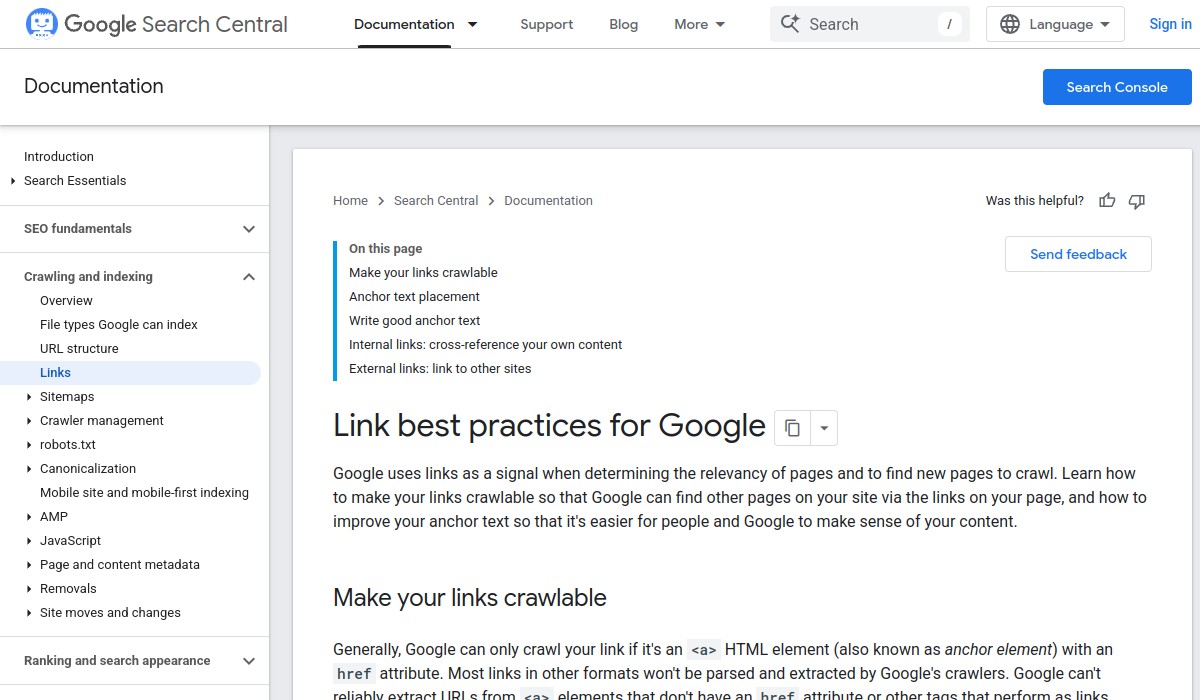
- Does it follow Google's guidelines? Check whether the tool's recommendations align with Google's link best practices and other official documentation. If a tool suggests buying links or using hidden text, run.
- Can you review and edit its output? Good automation gives you control. You should be able to approve or modify any content before it goes live.
- Does it provide transparent reporting? You need to see what the tool did, not just a vague "SEO score." Look for tools that show specific actions taken and their impact.
- What does it cost, and what's the contract? Some tools lock you into annual plans. Make sure you can cancel if it doesn't work for you.
For local businesses, also consider whether the tool helps with your Google Business Profile. Google says local results are based on relevance, distance, and prominence, and a complete, accurate profile helps. But no tool can directly manipulate those factors; it can only help you manage your information and encourage reviews.
Where Auto SEO Software Fits in Your Overall Strategy
Automation is a tool, not a strategy. It works best when you have a clear goal and use software to execute repetitive tasks consistently. For example:
- Use a keyword tool to find topics, but write content that genuinely helps your customers.
- Use a site audit tool to catch technical errors, but fix them based on priority.
- Use a rank tracker to monitor progress, but don't obsess over daily fluctuations.
Google's guidance on images is a good analogy: helping Google discover your images is a technical task that can be automated, but the quality of the image and its relevance to the page still require human judgment.
Frequently Asked Questions About Auto SEO Software
What is the best automated SEO software?
There is no single "best" tool for every business. The right choice depends on which tasks you need to automate, your budget, and whether the tool follows Google's guidelines. Start by listing your most time-consuming SEO tasks, then look for tools that automate those specific tasks and allow you to review the output.
How much does auto SEO cost?
Costs vary widely. Some tools offer free trials or limited free plans, while others charge monthly or annual subscriptions. Always check the pricing page and cancellation policy before committing. Avoid tools that require long-term contracts without a trial period.
Is auto SEO any good?
Auto SEO can be effective for repetitive tasks like keyword research, site audits, and rank tracking. However, it cannot replace human judgment for content quality, brand voice, or strategic decisions. The best results come from using automation to handle the busywork while you focus on creating genuinely helpful content.
Is SEO dead now with AI?
No. Google's guidance confirms that helpful, reliable, people-first content and standard technical SEO still apply to both regular search and AI features. There is no special optimization required for AI Overviews or AI Mode. Automation can help you implement these practices more efficiently, but it doesn't replace the need for quality content.
Your Next Step: Start with a Clear Evaluation
Don't buy auto SEO software because it sounds impressive. Buy it because it solves a specific problem you have. Here's a prioritized next step:
- List your top three time-consuming SEO tasks. Be specific: "finding keywords for blog posts" or "checking for broken links."
- Look for tools that automate those tasks. Use the checklist above to evaluate them.
- Take advantage of free trials or demos. Test the tool on a small project before committing.
- Review the output carefully. If the tool produces content, read it as if you were a customer. Does it sound like you? Does it provide real value?
If you're evaluating AI-powered local SEO software, you may find our practical buyer's guide helpful. It covers evaluation criteria and red flags in more detail. And if you want to see how an AI SEO agent can help with Google Maps and AI search visibility, this article explains the practical steps.
Remember: the goal of auto SEO software is to save you time and reduce errors, not to replace your judgment. Choose tools that respect that boundary, and you'll get real value without falling for hype.