
Updated:
An AI SEO agent can be worth it for a local business if it saves you time on repetitive optimization work and helps you stay visible in Google Search, Google Maps, and AI-driven search results. But not every tool delivers. Before you subscribe, compare what the agent actually does, whether it follows Google's published guidance, and whether its scope matches your business needs. This article explains the options in plain language so you can make a sensible decision.
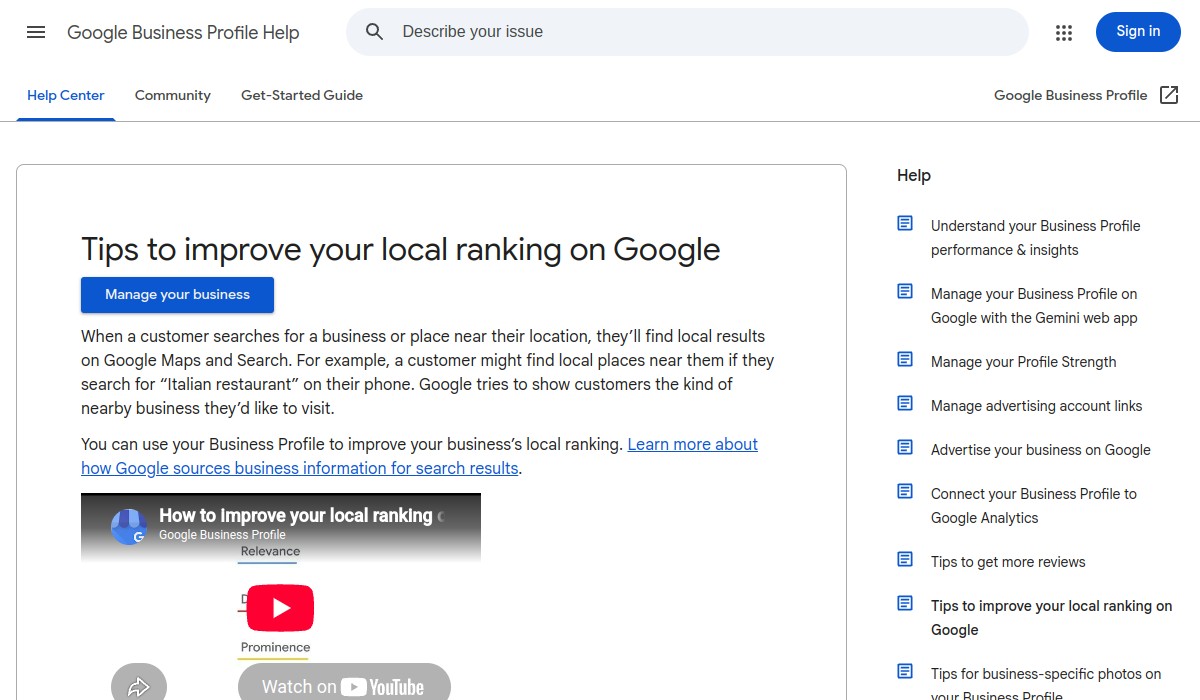
Verified source context: Google says local results are mainly based on relevance, distance, and prominence. Complete and accurate Business Profile information can make a profile more likely to appear for relevant local searches. Read Tips to improve your local ranking on Google.
Verified source context: Google Business Profile posts can share updates, offers, events, photos, videos, and action links. Google reviews posts against its content policy after publication. Read Create and manage posts on your Business Profile.
What an AI SEO Agent Actually Does

An AI SEO agent is software that uses artificial intelligence to handle parts of search engine optimization. For a local business, that usually means tasks like keeping your Google Business Profile accurate, finding relevant keywords, drafting content, checking your website for technical issues, and tracking where you appear in search results.
Google says local results are mainly based on three factors: relevance, distance, and prominence. A complete and accurate Business Profile can make your business more likely to appear for relevant local searches. An AI agent can help you maintain that profile, but it cannot change your physical distance from a searcher or guarantee a higher ranking.
Some agents also claim to optimize for AI search features like ChatGPT or Google's AI Overviews. Google's guidance is clear: there is no special optimization for AI features. The same helpful, reliable, people-first content and standard technical SEO that work for regular Google Search also apply to AI features. A page must be indexed and eligible for a Search snippet to be considered as a supporting link, but inclusion is never guaranteed.
What to Compare Before You Subscribe
When you evaluate an AI SEO agent, focus on four areas: what it automates, how it handles your Google Business Profile, whether it creates content that follows Google's guidance, and how it reports results.
1. Automation scope. Does the agent handle the tasks that eat your time? Look for features like profile updates, keyword research, content briefs, and rank tracking. Avoid tools that only produce generic reports without taking action.
2. Google Business Profile management. Google says complete and accurate information helps your profile appear for relevant searches. The agent should help you keep your name, address, phone number, hours, and categories correct. It should also help you publish posts, photos, and videos, but Google reviews those posts against its content policy after publication.
3. Content quality. Google recommends helpful, reliable, people-first content. The agent should help you create content that answers customer questions, not just stuff keywords. It should also follow technical best practices like crawlable links and descriptive anchor text.
4. Reporting and transparency. A good agent shows you what it did and what changed. It should not promise specific rankings or AI mentions, because Google says no tool can guarantee those outcomes.
What an AI SEO Agent Cannot Do

No AI agent can guarantee a top spot in Google Maps or regular search results. Google's ranking systems are complex and change over time. An agent can help you follow best practices, but it cannot control relevance, distance, or prominence beyond what your business actually offers.
For AI features like ChatGPT or Google's AI Overviews, the situation is even less predictable. Google's documentation does not explain how AI answers choose or cite sources. Any tool that claims to guarantee inclusion in AI answers is making a promise it cannot keep.
Also, an AI agent cannot replace your local knowledge. It does not know your customers, your competitors, or the nuances of your service area. You still need to review its work and make final decisions.
How to Decide If an AI SEO Agent Fits Your Business
Start by listing the SEO tasks you already do manually. If you spend hours each week updating your profile, writing posts, or checking rankings, an agent that automates those tasks could save you time. If you rarely touch your profile and have no content strategy, an agent might help you build a foundation.
Next, check whether the agent's features match your goals. If you want more calls from Google Maps, look for profile management and local keyword tracking. If you want to appear in AI search results, look for content creation that follows Google's people-first guidance, not a separate "AI optimization" module.
Finally, ask for a trial or a clear demo. A reputable agent will show you exactly what it does and let you cancel if it is not a fit. For example, Vigilnode offers a seven-day free trial, so you can test its AI SEO and GEO service before paying. It helps with Google Search and Maps SEO, website improvement, Google profile improvement, and AI-targeted blog articles.
Prioritized Next Steps
- Audit your current SEO effort. Write down what you do now and how much time it takes. This tells you what you need to automate.
- Compare agents against the four criteria above. Do not get distracted by feature lists; focus on automation scope, profile management, content quality, and reporting.
- Check the agent's claims against Google's guidance. If a tool promises guaranteed rankings or AI mentions, walk away. Google's own documentation says those outcomes are not guaranteed.
- Test before you commit. Use a free trial or a limited pilot to see if the agent actually saves you time and improves your visibility. Vigilnode's seven-day trial lets you explore its features without risk.
For a deeper comparison of AI SEO tools, see our buyer's guide to AI SEO tools. If you want to understand how an AI agent can help with Google Maps and AI search, read this practical explanation.
Frequently Asked Questions
Is SEO dead now with AI?
No. SEO is not dead, but it is changing. Google still uses relevance, distance, and prominence for local results, and helpful, reliable content remains important for both regular search and AI features. An AI SEO agent can help you keep up with these changes, but it cannot replace the need for a solid foundation.
What are the best AI SEO tools for small businesses?
The best tool depends on your specific needs. Compare automation scope, Google Business Profile management, content quality, and reporting transparency. Look for tools that follow Google's guidance and offer a trial so you can test before committing.
What is the 80/20 rule in SEO?
The 80/20 rule suggests that 80% of your results come from 20% of your efforts. In SEO, this often means focusing on the most impactful tasks, like keeping your Business Profile accurate and creating helpful content, rather than chasing every possible optimization.
Which AI agent is best for SEO?
There is no single best AI agent for every business. Evaluate agents based on the four criteria in this article: automation scope, profile management, content quality, and reporting. A tool that fits your workflow and follows Google's guidance is a better choice than one with the most features.