
Updated:
Choosing an AI SEO agent is not about finding the cheapest tool or the one with the longest feature list. It is about matching what the agent actually does to the outcome you need: better visibility in search results, more qualified traffic, and content that earns trust. Before you commit to a monthly fee, you need a clear evaluation framework that separates neutral advice from sales copy.
What a Good Choice Must Accomplish

Start with the outcome, not the tool. A good AI SEO agent should help you improve your visibility in Google Search and AI-driven search results without requiring you to become an SEO expert. It should automate the repetitive work—like content optimization, technical fixes, and tracking—while leaving you in control of the strategy.
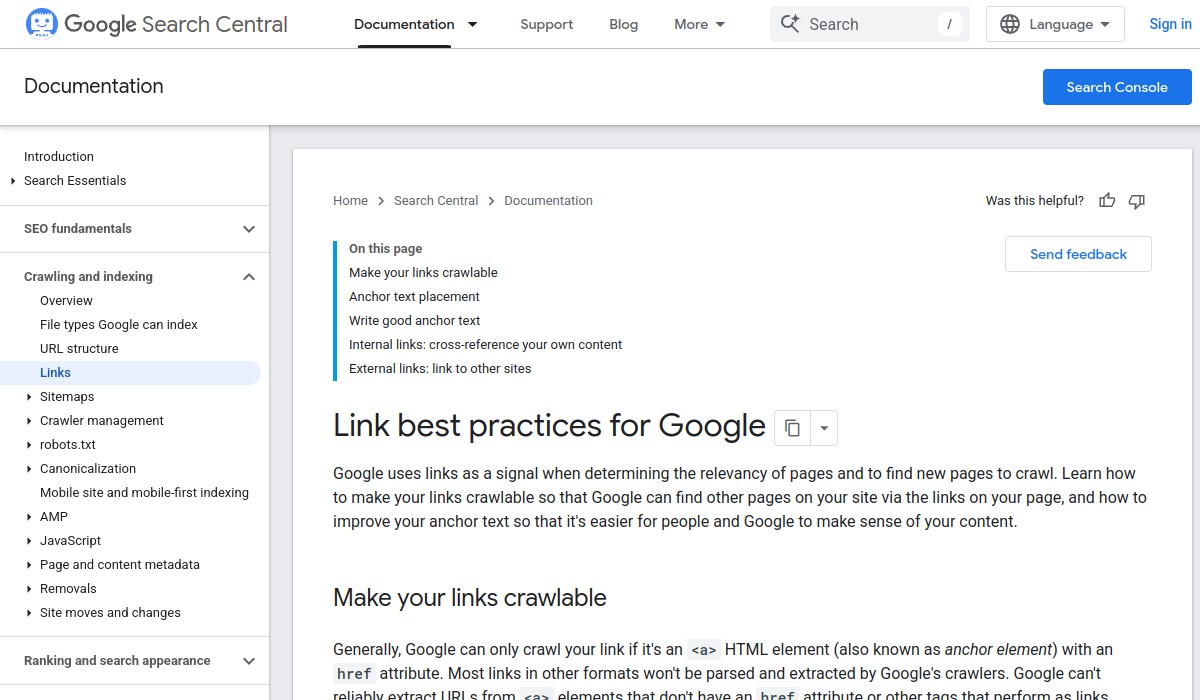
For local businesses, that means the agent should support the practices Google publicly describes as relevant: keeping your Business Profile complete and accurate, publishing helpful people-first content, and making your site easy to crawl. Google's guidance on link best practices and image SEO applies to any tool you choose.
But no tool can guarantee rankings, traffic, or AI mentions. Google's documentation is clear that crawling, indexing, and inclusion are never guaranteed. A good agent will be honest about that limit.
Evaluation Criteria: What to Compare
Use these criteria to compare AI SEO agents side by side. Ask for evidence for each one before you pay.
1. Scope of Work
Does the agent handle the tasks you actually need? For a local business, that might include:
- Google Business Profile optimization
- On-page SEO for your website
- Content creation and publishing
- AI search visibility tracking
- Technical SEO audits
If you need help with Google Maps rankings, make sure the agent explicitly supports local SEO practices. If you want to appear in AI answers, ask how the agent tracks that—and be wary of any tool that claims to guarantee AI visibility.
2. Transparency of Actions
A good agent leaves a receipt for every finished action. You should be able to see what was changed, why, and when. If the dashboard only shows vague scores or "optimization complete" messages, you cannot verify the work.
3. Pricing Model
Monthly fees vary widely. Compare what is included at each tier:
- Number of pages or keywords optimized
- Content generation limits
- Number of users or workspaces
- Access to reporting and tracking
- Support level
Do not assume a higher price means better results. Ask what happens when you hit a limit—do you pay overage fees, or does the tool stop working?
4. Evidence of Work
Request a sample report or a walkthrough of a real client's results. Look for concrete changes: specific pages updated, specific profile fields completed, specific content published. Avoid tools that only show aggregate metrics like "visibility score" without explaining how they were calculated.
5. Fit with Your Workflow
Can you approve changes before they go live? Does the agent integrate with your existing tools? If you have a team, can multiple people collaborate? A tool that fights your workflow will be abandoned within a month.
Red Flags to Avoid
These are the warning signs that an AI SEO agent is not worth your money.
Guaranteed Rankings or AI Mentions
No legitimate tool can guarantee a specific ranking, traffic level, or inclusion in AI answers. Google's own documentation says crawling and indexing are never guaranteed. If a vendor promises otherwise, walk away.
Vague Dashboards
If the tool reports "SEO score 92" but cannot show you which pages were changed, which keywords were targeted, or which profile fields were updated, you are paying for a black box.
Hidden Limits
Some tools advertise a low monthly fee but then charge extra for essential features like content generation, rank tracking, or additional users. Read the pricing page carefully and ask about overage fees before you commit.
No Trial or Refund Policy
A reputable tool should let you test it before paying. Look for a free trial or a clear refund policy. If the vendor refuses to let you see the actual interface or sample reports, that is a red flag.
Claims That Contradict Google's Guidance
Be skeptical of tools that promise to "optimize for AI Overviews" with special techniques. Google has stated that there is no special optimization for AI features—standard SEO practices apply. Any tool that invents new ranking factors is selling hype.
Questions to Ask Before You Pay

Use these questions in a sales call or email. A good vendor will answer them directly.
- What exactly will you do each month? Can I see a sample action log?
- Which parts of my Google Business Profile will you update, and how often?
- How do you track AI search visibility? What metrics do you report?
- What happens if I hit my plan's limits? Are there overage fees?
- Can I cancel anytime? What is your refund policy?
- Do you follow Google's published guidelines? Can you point to the specific documentation?
- Will I be able to approve changes before they go live?
- What is not included in the monthly fee?
Decision Checklist
Print this checklist and use it for every AI SEO agent you evaluate. Mark each item as Yes or No.
| Checklist Item | Yes | No |
|---|---|---|
| The agent supports the specific tasks I need (local SEO, content, tracking). | ☐ | ☐ |
| The pricing page clearly lists all limits and overage fees. | ☐ | ☐ |
| The vendor provides a sample action log or report showing concrete changes. | ☐ | ☐ |
| The tool follows Google's published guidelines and does not invent ranking factors. | ☐ | ☐ |
| There is a free trial or a clear refund policy. | ☐ | ☐ |
| I can approve changes before they go live. | ☐ | ☐ |
| The vendor does not guarantee rankings, traffic, or AI mentions. | ☐ | ☐ |
| The tool fits my team's workflow and integrates with existing systems. | ☐ | ☐ |
If you answer "No" to any of these, ask the vendor for clarification or move on to the next option.
How Affordable Options Compare
Affordable AI SEO agents often start under $100 per month, but the feature set varies dramatically. Some tools focus only on content optimization, while others include local SEO, rank tracking, and AI visibility monitoring. The key is to match the tool's scope to your needs.
For example, a local business that wants to improve Google Maps rankings and appear in AI answers needs a tool that handles both Google Business Profile optimization and content creation. A tool that only does keyword research will not be enough.
When comparing affordable options, look for transparent pricing and a clear list of included features. Avoid tools that hide essential functions behind higher tiers or charge extra for basic reporting.
If you are evaluating AI SEO agents for a local business, you may also find our guide on AI-powered local SEO software useful. It covers the specific criteria for local visibility, including Google Business Profile optimization and the limits of what any tool can promise.
For a broader comparison of AI SEO tools, see what to compare in AI SEO tools. That guide separates neutral evaluation advice from sales copy and includes a decision checklist you can use today.
Remember: the goal is not to find the cheapest tool, but to find the one that does the work you need, transparently, at a price you can justify.